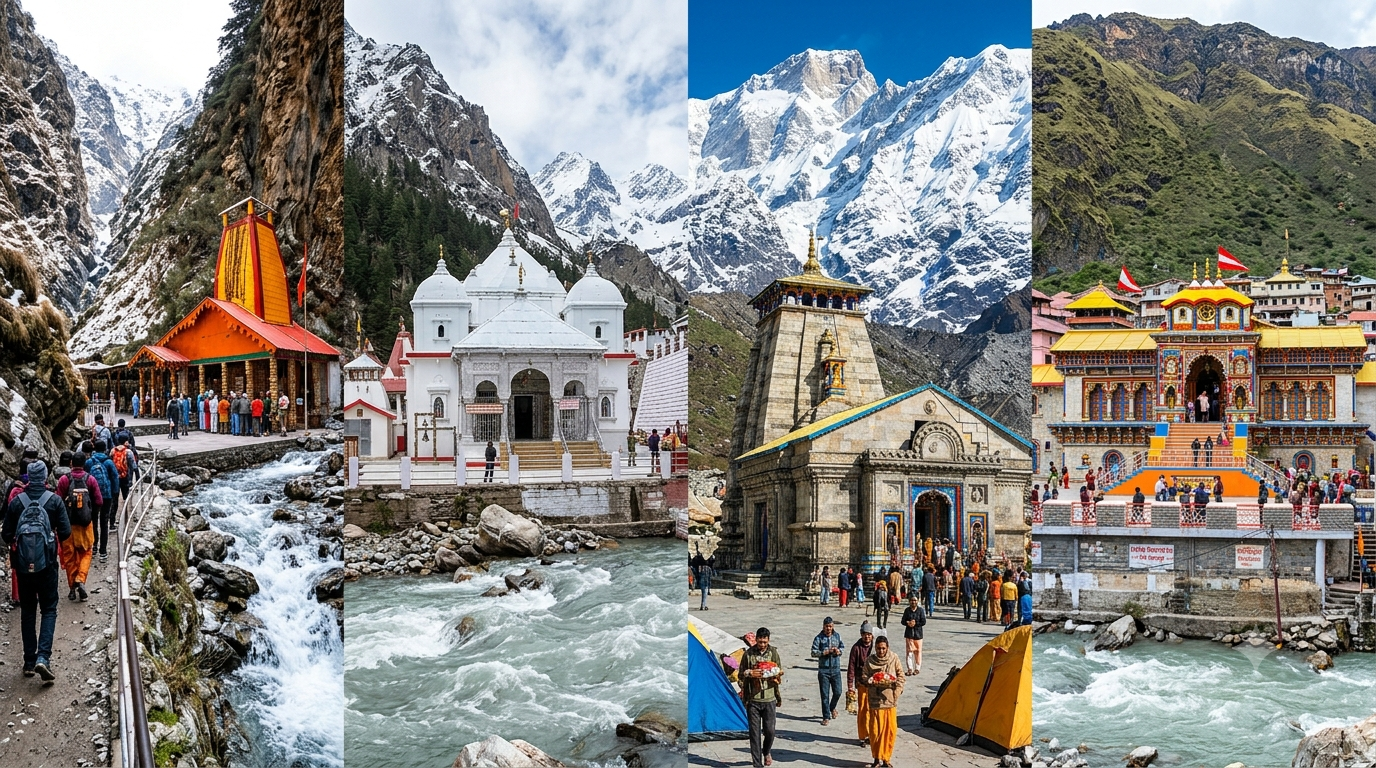
For anyone planning the sacred pilgrimage across Uttarakhand’s four Himalayan shrines, one question comes up before all others: in what order should you visit the Char Dham?
The answer isn’t arbitrary — it’s rooted in centuries of tradition, geography, and spiritual symbolism.
The Traditional Route
The Char Dham Yatra follows a fixed, time-honored sequence:
Yamunotri → Gangotri → Kedarnath → Badrinath
This order is followed because Yamunotri is visited first, then Gangotri, third Kedarnath and last Badrinath, with Badrinath being the place where one attains Moksha, making it the final stop.
Why This Order? The Spiritual Logic
The sequence follows a clockwise direction, known in Hindu customs as Parikrama — a directional movement considered auspicious and commonly observed in temple rituals, setting the spiritual tone for the entire journey.
Each dham represents a distinct stage of inner progression: Yamunotri symbolises emotional cleansing through water; Gangotri represents purity and the cleansing of the mind and karma; Kedarnath, dedicated to Lord Shiva, signifies devotion and liberation; while Badrinath, associated with Lord Vishnu, represents ultimate salvation or moksha. The physical journey mirrors a spiritual arc — from purification to liberation.
Breaking Down Each Stop
1. Yamunotri — Source of the Yamuna
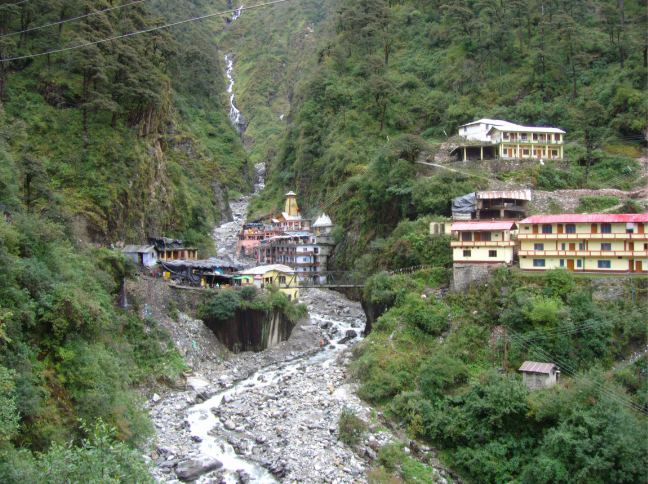
Dedicated to Goddess Yamuna, this shrine holds the source of the sacred Yamuna river. From the roadhead at Janki Chatti, pilgrims face a 5-6 km trek; ponies, palkis, and pitthus (porters) are available for those who can’t walk it. The site also features Surya Kund, a natural thermal hot spring where pilgrims traditionally cook rice in cloth pouches as an offering before boarding.
2. Gangotri — Source of the Ganga
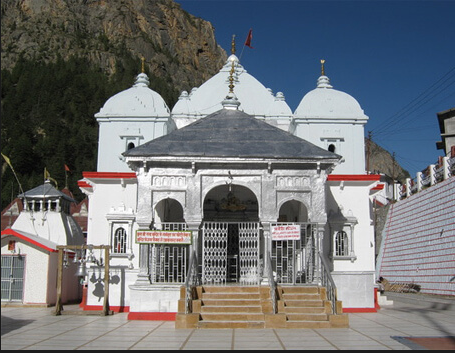
The most accessible of the four dhams, dedicated to Goddess Ganga. It’s directly connected by road via Uttarkashi, so no trekking is required to reach the main temple — making it a relatively easy leg after Yamunotri.
3. Kedarnath — The Toughest Leg
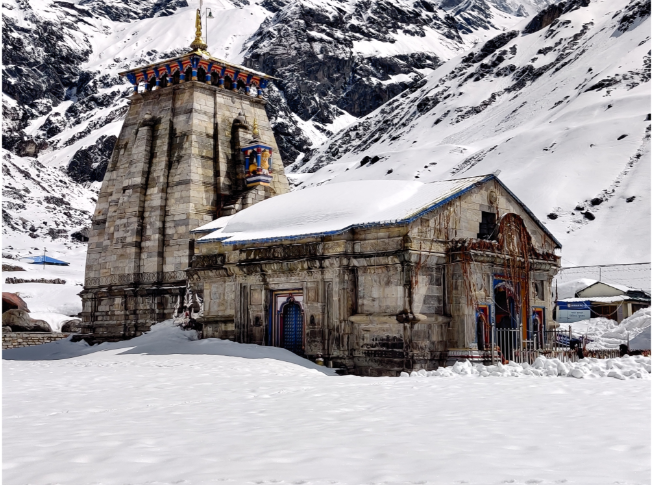
Home to one of the 12 Jyotirlingas dedicated to Lord Shiva, and the highest of the four dhams at roughly 3,583 meters. Pilgrims travel by vehicle up to Gaurikund (post-2013 floods, the roadhead shifted here), then face a demanding 16-18 km uphill trek. A helicopter service is available, though tickets are now sold as round-trip only through IRCTC’s HeliYatra platform.
4. Badrinath — Journey’s End
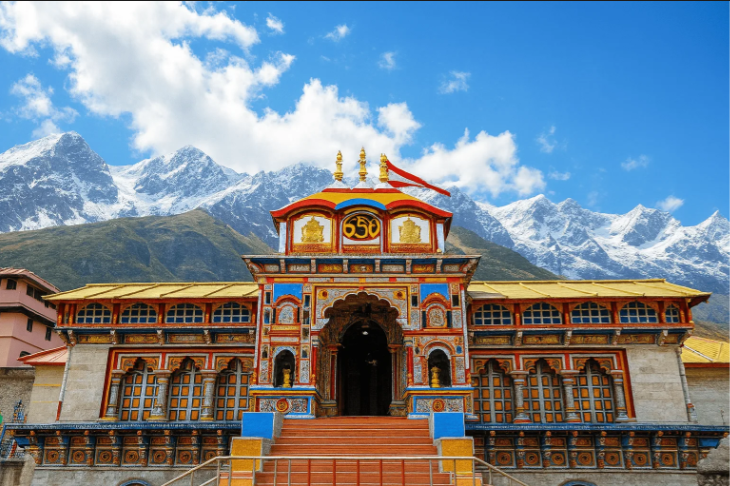
Dedicated to Lord Vishnu, sitting at around 3,133 meters beside the Alaknanda River. The road goes right up to the temple, making it the easiest dham to reach physically — fitting, since it represents the final, effortless surrender into moksha after the harder legs before it.
Planning the Logistics
Duration & Distance: A complete road circuit from Delhi covers roughly 1,500-2,000 km and takes about 10-12 days; from Haridwar, it’s closer to 9-10 days. Using a helicopter for the Kedarnath leg can shave off a day.
Budget: Expect anywhere from roughly ₹23,999 to over ₹2,30,000 per person, depending on whether you’re traveling budget-style or opting for comfort stays and helicopter transfers.
Best Time to Visit: May-June and September-October are considered the most favorable windows — outside peak monsoon risk and before heavy winter snow.
Registration: What You Need to Know
Registration is mandatory, free, and required before entry to any of the four shrines — without it, you won’t be allowed in.
- How to register: Through the official Uttarakhand Tourism portal (registrationandtouristcare.uk.gov.in) or the Tourist Care Uttarakhand app, or at offline counters along the route.
- Documents needed: A valid ID such as Aadhaar, voter ID, PAN, driving license, or passport.
- 2026 update: Biometric Aadhaar-based registration has become mandatory this year, alongside a 60-40 online-offline registration split, reflecting how heavily oversubscribed the yatra has become — over 1.26 lakh pilgrims registered on the very first day this year alone.
New Rules to Know Before You Go (2026)
A few changes are worth flagging if you’re planning this year specifically:
- Entry restrictions have been introduced at Kedarnath, Badrinath, and Gangotri concerning non-Hindu visitors, while Yamunotri remains open to all.
- Phones and cameras are no longer allowed inside temple premises, a move aimed at preserving the sanctity of the shrines.
- Health checks and expanded safety systems have also been rolled out, given the altitude and physical demands of the route, especially for elderly or unfit travelers.
Since rules and dates shift year to year, it’s worth double-checking the official portal close to your travel dates rather than relying on last year’s information.
The Bottom Line
The Yamunotri → Gangotri → Kedarnath → Badrinath sequence isn’t just ceremonial — the road access, altitude gain, and trek difficulty are genuinely structured around this flow. Attempting the route in reverse or out of order tends to create real logistical headaches, on top of breaking with a tradition that’s been followed for generations. you can book you chardham yatra packages from the chardham plan for the best and comfortable yatra.